Spribe has won a key procedural ruling in its high court copyright battle with Aviator LLC.
Spribe has won a key procedural ruling in its high court copyright battle with Aviator LLC.
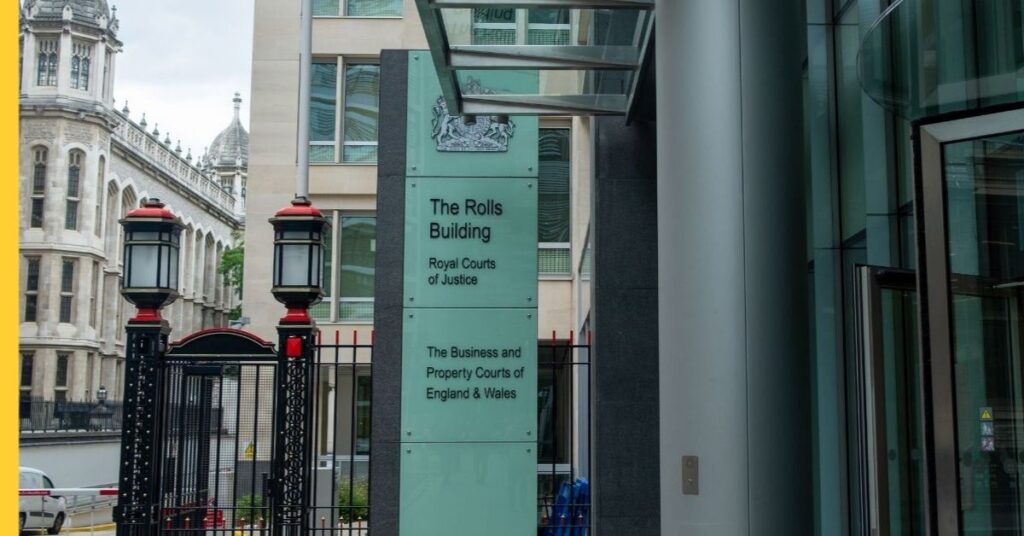
Crash games pioneer Spribe has come out on top in a significant procedural skirmish in its London copyright fight with Aviator LLC, after a high court judge ruled that foreign law rather than English law will govern key elements of the case.
The news marks the latest twist the ongoing dispute with Aviator LLC, which is a vehicle set up by Georgian businessman Temur Ugulava to contest Spribe’s Aviator copyright.
The ruling, handed down on 22 May by deputy judge Michael Tappin KC, concerns whether judgments from Georgian courts can prevent parts of the dispute from being relitigated elsewhere.
That question matters because Aviator is pursuing copyright claims not just under UK law but across multiple countries that are signatories to the Berne Convention.
At stake is who owns the rights to the distinctive plane image used in Aviator-branded crash games – which has become a very valuable asset since it rocketed to become one of the world’s most successful online casino crash games in recent years.
Spribe, which distributes its own Aviator-branded crash game across the UK and beyond, holds trademarks for the image and denies copying it.
The company was successful in obtaining an interim injunction against Aviator LLC pending a full trial in August last year.
What the ruling means
Aviator had argued that English law should govern whether Georgian court decisions create binding issue estoppels, including in relation to claims under foreign copyright laws.
Tappin KC rejected that argument, finding that EU-derived private international law rules, which remain part of English law, required the court to apply the law of each country for which copyright protection is claimed when assessing the preclusive effect of earlier judgments.
Tappin said: “…a rule of law relating to preclusive effect, which states whether a party is prevented from disputing (or establishing, as the case may be) one or more elements of a cause of action for an infringement of an intellectual property right, is part of the applicable law under Articles 8 and 15.”
The judge also refused Aviator’s separate application for a preliminary hearing on copyright ownership, finding that the issue was too bound up with disputed facts and Georgian law to sensibly separate from the rest of the case.
Tappin added: “I can see no reason why ownership should be plucked out from all the other issues and decided in advance.”
The court did not decide on ownership, infringement or whether Spribe copied the Aviator branding, with those issues still expected to be fought at a full trial.