Despite the win, Entain’s core trademarks claims survive
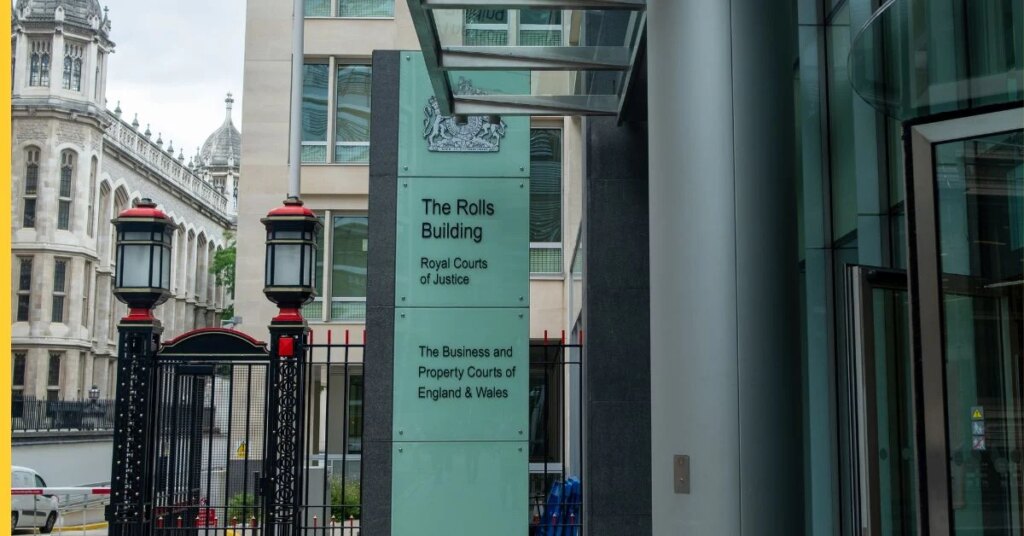
Entain’s lawsuit against the major UK matched betting websites has hit a snag after the High Court struck out its copyright claims.
Justice Cawson last week ruled Entain cannot proceed with its copyright claims against the matched betting businesses behind Outplayed.com and Oddsmonkey – unless the operator urgently amends the pleadings to reflect the origins of its brands.
It follows Entain suing the “parasitic” businesses last August for trademark and copyright infringement several years after they began teaching bettors how to take advantage of operator bonuses for profit.
An Entain spokesperson told NEXT.io: “Entain does not comment on active litigation. However, as we have previously said, the matched betting business model is a parasitic one, and we take the protection of our brands and reputation extremely seriously. We have strong grounds for our claim and remain confident in it.”
The defendants had argued its copyright claims should be removed due to failing to identify their authors, when they were published, what is original in each, and highlighted they were largely designed by outside agencies.
Ultimately, the judge rejected Entain’s defence it has operated the brands for a long-period without rival claims, quoting an earlier case that stated: “Authorship-based qualification fails for want of authors.”
He was also unimpressed with the operator’s pleading it was currently in the process of cleaning up the ownership trail: “I do not consider that it can be appropriate for claimants, as late in the day as the case management conference in a case and after the proceedings have been on foot for some 11 months or so, to say that they are in the process of obtaining the requisite assignments without explaining why this could not have been done before now…”
Entain now has a short window of opportunity to replead the copyright claims if it wants to ensure they remain in the case and its own attempt to nix the aspects of the matched betting groups defence were mainly unsuccessful.
However, despite this early win, the trademark claim central to the case remains fully intact with the defendants themselves accepting they were sufficiently pleaded and raised issues with a real prospect of success.