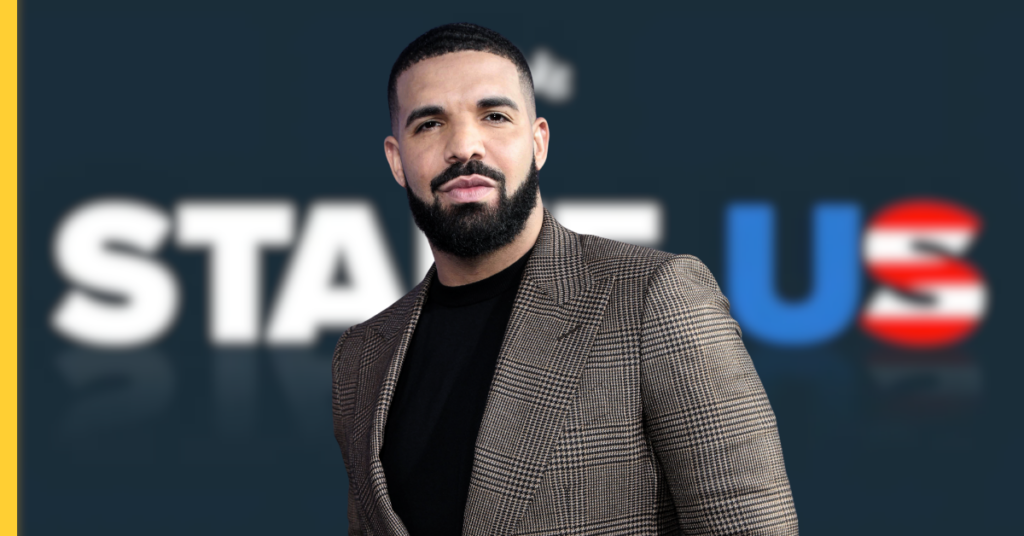
Stake’s US-facing online gaming platform is facing a new class action lawsuit alongside Canadian rapper, Drake, a long-time promoter of the brand.
Stake’s US-facing online gaming platform is facing a new class action lawsuit alongside Canadian rapper, Drake, a long-time promoter of the brand.
A federal class-action lawsuit filed in the Eastern District of Virginia on 31 December targets Stake.us, Drake, content creator Adin Ross, and associate George Nguyen.
It alleges that all are involved in a coordinated scheme involving illegal online gambling, deceptive marketing, and financial misconduct.
The complaint was brought by two Virginia residents on behalf of a proposed nationwide class of users who claim they were misled into effectively wagering real money on Stake.us, which they allege has operated as an unlawful online casino since at least 2022.
According to the filing, Stake.us is described as a US-facing version of Stake.com that was created to circumvent federal and state gambling laws.
While marketed as a social casino offering free play with virtual currency, the lawsuit asserts that Stake.us allows users to purchase bundled credits that include a redeemable currency pegged to the US dollar at a 1:1 ratio.
his mirrors arguments made in other recent US lawsuits against Stake and its promoters, including a case filed in Missouri in October.
Plaintiffs allege this structure enables real-money gambling while presenting itself as entertainment-only gaming, a distinction central to the legal challenge and serving as a basis for claims under both federal racketeering statutes and Virginia consumer protection law.
The complaint further alleges that Drake and Ross were paid promoters of the platform and routinely livestreamed gambling sessions using funds provided by Stake rather than their own money.
These broadcasts, plaintiffs claim, encouraged followers to gamble on the site under false pretences.
The lawsuit also accuses the defendants of using Stake.us internal tipping and transfer features as an unregulated money transmission system that obscured the flow of funds between participants.
Fudging the numbers
One of the more unusual allegations centres on music streaming manipulation. The plaintiffs claim Drake used Stake.us to help finance automated bot networks and streaming farms that artificially inflated play counts of his music on major digital platforms.
The filing alleges that payments routed through Stake.us were used to pay third-party operators involved in artificial amplification campaigns designed to distort charts, recommendation algorithms, and royalty calculations.
The lawsuit references multiple high-value transfers allegedly conducted through Stake.us, including six-figure tips exchanged during livestreams and large promotional giveaways.
The suit argues these transactions demonstrate how the platform’s design allegedly concealed counterparties and masked the true purpose of payments.
The defendants are accused of forming an ongoing enterprise that combined illegal gambling operations with deceptive promotion and financial obfuscation, in violation of the Racketeer Influenced and Corrupt Organizations (RICO) Act.
The plaintiffs are seeking class certification, monetary damages, including treble damages under RICO, restitution, disgorgement of profits, and injunctive relief that would prevent Stake.us from continuing operations in the US.
Having been introduced during the holidays, the case remains at an early stage, and the allegations outlined in the complaint have not yet been tested in court.