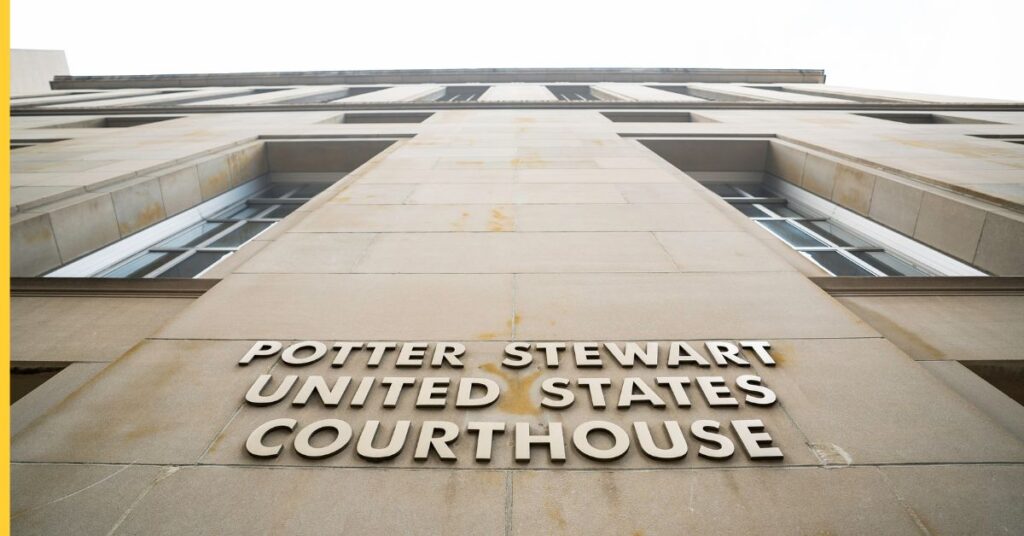
Sweepstakes slots market leader VGW appealed a judge order that remanded nine sweepstakes lawsuits back to the state courts.
Sweepstakes slots market leader VGW has appealed a judge order that remanded nine sweepstakes lawsuits back to the state courts.
Nine plaintiffs, represented by their lawyer Garth R. Segroves, are suing various social gaming operators and suppliers under an 1858 Tennessee anti-gambling law that allows players to recover all historic losses for illegal gambling.
If VGW and other defendants lose the case, they could be forced to repay the majority of player losses in the Volunteer State for their entire time of operation.
It comes as VGW faces increasing pressure in lawsuits and from state governments who say its sweepstakes slots model is illegal gambling, not social gaming.
Class Action Fairness Act a factor
The Class Action Fairness Act (CAFA) has been an issue in the case, which is a federal Bush Administration law designed to prevent class action abuse.
The Tennessee lawsuits were filed under the state’s qui tam statute that allows individuals to sue entities on behalf of the government.
Gaming lawyer Daniel Wallach said on X: “A qui tam action is like a ‘private attorney general’ lawsuit. It is strategically important for two reasons: (1) It’s not covered by the CAFA statute and therefore can’t be removed to federal court: and (2) no risk of dismissal due to mandatory arbitration clause.”
Other defendants in the sweepstakes lawsuits include Playtika, Playstudios, Light & Wonder-owned Sciplay, DoubleDown Interactive and SpinX Games.
VGW argues plaintiffs have misconstrued 1858 law
In its response, VGW told the Sixth Circuit Tennessee Eastern District Court the plaintiffs have attempted to misconstrue the state’s anti-gambling law.
The sweepstakes operators’ attorneys said: “The statute, enacted before mass or class claims were even permitted in American law, permits a third party to recover the loss of an individual identified gambler, so that the money can be returned to that gambler’s spouse or other family.
“Yet Plaintiff seeks to recover the supposed losses of most everyone in Tennessee — thousands of unidentified people and millions in ‘losses’ — in a single ‘representative’ suit.”
The Australia-based company argued its petition raised novel and important questions about how to understand the 1858 statute, highlighting the law is increasingly the subject of litigation.
Sweepstakes have been the cause of increasing controversy throughout 2024.
Multiple state attorney generals have sent cease-and-desist letters to sweepstakes operators, most prominently VGW, for offering online gaming without a licence.
In the face of this pressure, several sweepstakes operators launched a trade body to lobby for their interests, the Social and Promotional Gaming Association.