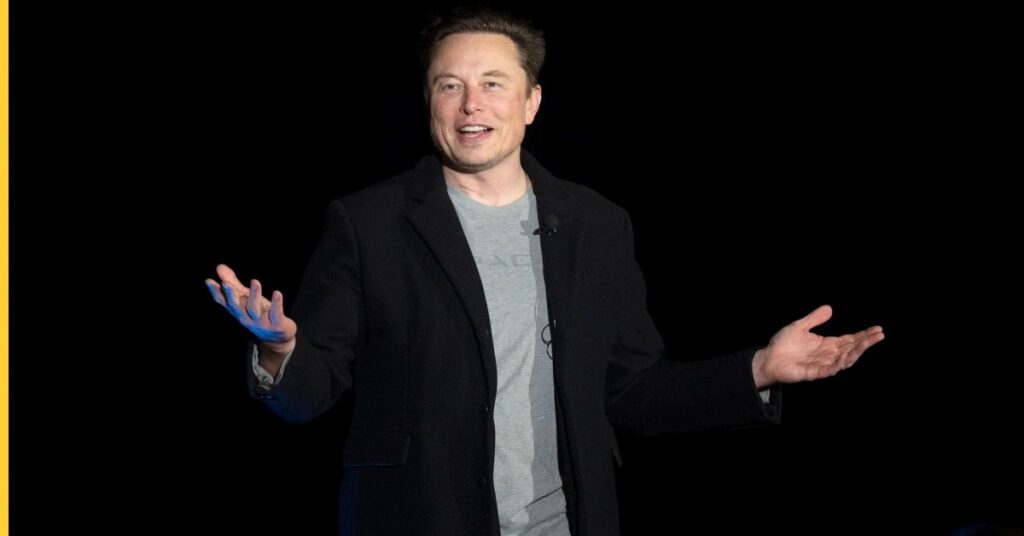
Philadelphia District Attorney Larry Krasner has requested that his lawsuit against Elon Musk and America PAC be dropped.
Philadelphia District Attorney Larry Krasner has officially ended his legal case against Elon Musk and the America PAC, over allegations that the organisation’s voter sweepstakes amounted to an illegal lottery.
The announcement came after Krasner filed to have the case dismissed, according to The New York Times. He said it should be “discontinued and ended as to all parties without prejudice, with all parties bearing their own costs.”
The case stemmed from a controversial initiative by America PAC in the lead-up to Election Day in the US. The group, heavily funded by Musk, gave away $1m daily to individuals in Pennsylvania who signed a petition endorsing constitutional rights such as free speech and the right to bear arms.
This effort targeted swing-state voters and aimed to galvanise support for Donald Trump’s winning presidential bid and other Republican candidates.
Musk committed more than $70m to the super PAC as part of his broader effort to influence the 2024 election. According to court filings, the daily $1m giveaways were marketed as prizes to individuals who signed the petition, leading Krasner to argue that the initiative constituted an illegal lottery.
However, lawyers for America PAC contended in court on 4 November that the recipients of the money were not chosen by chance. Instead, they argued, the recipients were selected to serve as paid spokespeople for the organisation.
Critics of the sweepstakes, including Krasner, claimed the effort misled voters. He argued that more than 1 million individuals who registered for the initiative were “scammed for their information.”
Legal challenge hits a wall
The legal challenge faced an insurmountable hurdle when a state court judge ruled that Krasner’s team had failed to demonstrate the giveaways constituted an illegal lottery. The ruling pointed out that the selection process lacked the elements of chance typically required to meet the legal definition of a lottery.
Musk defended the initiative as a legitimate exercise in political advocacy. He characterised the effort as a push to promote constitutional values and described the financial incentives as an innovative method to engage voters on critical issues. Musk maintained that the sweepstakes were a form of “core political speech” protected under the First Amendment.
In the wake of the dismissal, Musk’s involvement in political and public-sector initiatives continues to grow. Beyond his contributions to America PAC, he has recently been tapped to assist with a government efficiency effort, signalling his broader ambitions in shaping both political discourse and administrative reform.
The sweepstakes, though short-lived, shed light on the increasingly unconventional strategies employed in modern political campaigns. With over $70m in funding, America PAC’s initiative drew significant attention, not only for its scale but also for its method of targeting voters in critical swing states.
For Krasner, the case’s dismissal marks the end of an attempt to regulate what he and others perceived as a potentially deceptive practice in voter engagement. However, the ruling against his claims highlights the increasing difficulty in defining the boundaries between political speech and commercial-like promotions in the context of election law.