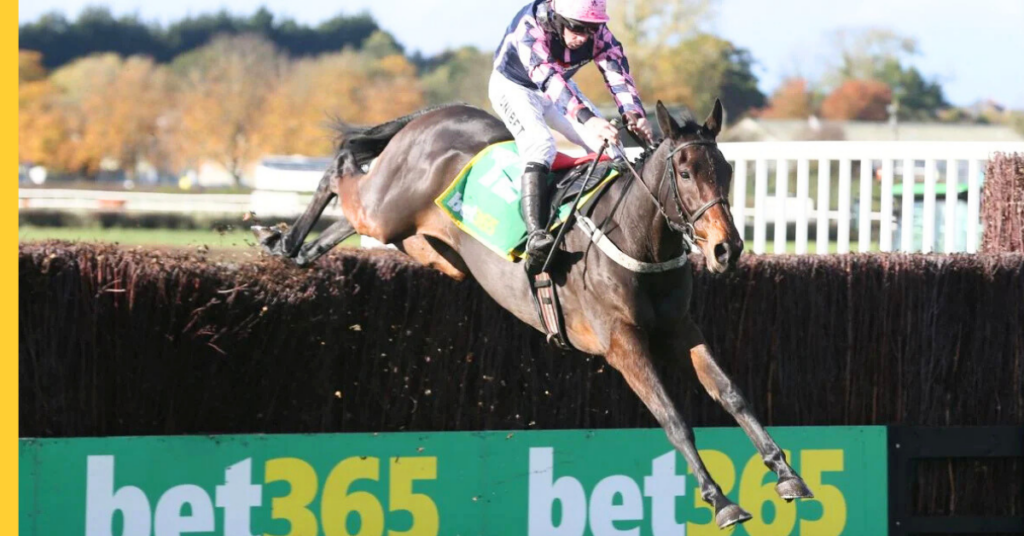
In a pivot triggered by the UK’s tightening fiscal vice, bet365 has confirmed it will axe its sponsorship portfolio in British racing.
Bet365 has confirmed it will axe longstanding horse racing sponsorships in a pivot triggered by the UK’s tightening fiscal environment.
The decision, first reported by The Racing Post and a direct by-product of the Treasury’s aggressive recalibration of gambling levies, signals a cold end to decades of trackside partnership.
Newmarket’s commercial architecture faces a significant structural void as the Stoke-based giant has declined to renew its titular backing of the Craven Meeting, a relationship established in 2017.
The retreat also extends to Newmarket’s July Festival, where the firm’s presence is now confirmed to sunset following the 2026 season.
The severance is felt most acutely at Haydock Park. After 23 years of continuous association, the Old Newton Cup and the Lancashire Oaks will lose their primary branding.
These fixtures, long-standing pillars of the summer calendar, must now navigate a saturated market for replacement funding as bet365 prioritises margin protection over heritage marketing.
Bet365 characterised the withdrawal as a “difficult” necessity, citing a shift in commercial imperatives as operators grapple with escalating Remote Gaming Duty and a suffocating regulatory climate.
For the betting industry, the rising cost of digital customer acquisition, compounded by hiked taxation on online products, has rendered these high-visibility arrangements increasingly untenable.
This exodus reflects a growing friction between racing’s reliance on bookmaker capital and the government’s fiscal appetite. BetMGM, which is operated by MGM subsidiary LeoVegas in the UK, recently gained space at the Cheltenham Festival, taking over slots vacated by Coral.
Coral had indicated that the government’s new tax plans played a role in its decision to end the long-standing partnership. The change highlighted how bookmakers are reconsidering the scale of their involvement in racing sponsorships as financial pressures increase.
However, discussion among betting industry observers and racing fans has produced differing interpretations of bet365’s withdrawal.
Bet365 accused of being spiteful over exit
Some participants in an online Betfair Community thread argued that taxes specifically applied to horse racing bets remained unchanged in the recent budget.
One user stated, referring to bet365 Founder and CEO Denise Coates: “Tax on horse racing bets were unchanged in the budget. Suggests Denise might not be being entirely honest.”
Those commenters suggested the rationale behind the decision may involve broader tensions between bookmakers and the racing sector.
It was suggested that bookmakers felt insufficient support from the racing industry during debates about regulatory and tax changes.
A user asserted that the racing industry has been “disloyal” to bookmakers by asking the government for support it while ignoring bookmaker concerns.
They suggested that racing is now “paying the price for overly relying on bookies for sponsorships.”
According to those views, the relationship between racing and bookmakers has grown strained as the industry seeks government assistance while operators face tighter oversight.
Additional comments raised concerns that the current UK regulatory model may be becoming difficult for gambling operators to sustain and that the racing industry is on a “managed decline.”
Betting on horses takes a hit
Meanwhile, British horse racing has seen a robust resurgence in physical attendance, with 2025 marking a major milestone as annual crowds surpassed 5 million for the first time since 2019.
According to the British Racing Authority, total attendance reached 5,031,640, representing a 4.8% increase over 2024, driven largely by high demand for marquee events like the Grand National and Royal Ascot.
Most encouragingly, the sport is successfully engaging younger demographics, evidenced by a 17% surge in under-18 attendance.
This growth has been supported by favorable weather conditions and targeted industry marketing campaigns like “The Going Is Good,” which helped boost average fixture attendance by 3.6%.
In stark contrast, the sport’s betting ecosystem is under significant strain, with total turnover continuing a multi-year decline. Betting volume for the first nine months of 2025 fell by 4.2% year-on-year and now sits nearly 13% below 2023 levels.
While major “Premier” fixtures have seen a slight increase in wagering, “core” everyday racing has been hit by an 8.6% drop in average turnover per race.
Industry leaders attribute this “death spiral” to a combination of strict affordability checks on high-stakes punters and a shrinking horse population, which has reduced field sizes and made regular races less competitive for bettors.