Super Group has decided to withdraw its sportsbook operations from the US following a comprehensive internal review.
The Betway and Spin operator said it will shortly begin the process of closing its US sportsbook in the nine states where it currently operates: Arizona, Colorado, Indiana, Iowa, New Jersey, Louisiana, Ohio, Pennsylvania, and Virginia.
Despite this withdrawal, Super Group will maintain its iGaming presence in the US.
The company plans to continue operating two iGaming brands from its Spin portfolio, including Jackpot City, in New Jersey and Pennsylvania.
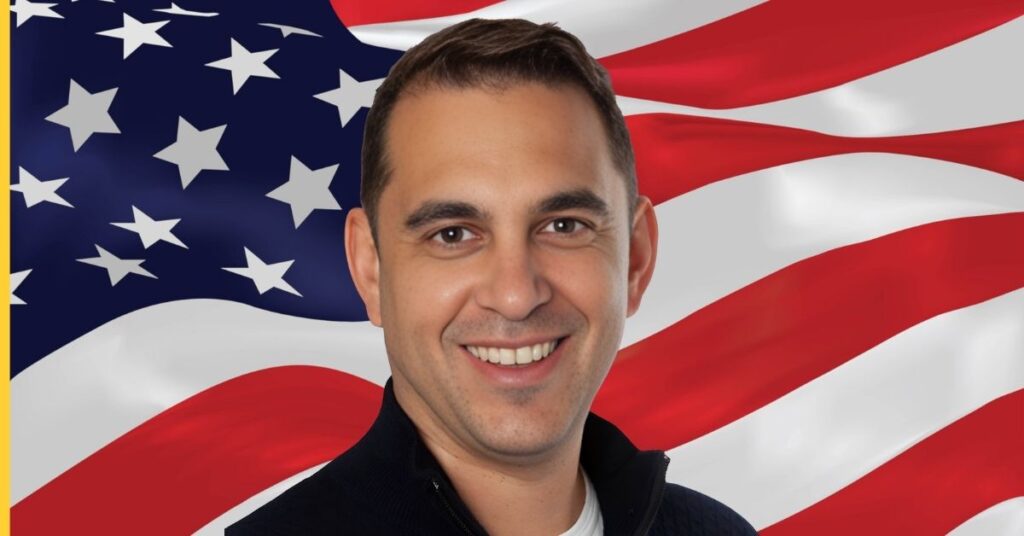
“As a global business, we constantly evaluate the optimal use of our resources across all markets in which we operate,” said CEO Neal Menashe (pictured).
“We have recently concluded an extensive review of our US operations and, at present, we do not see a long-term path to profitability for the sportsbook product.”
“The vast majority of Super Group’s revenue is generated in iGaming and, in line with that strategy, we will continue to offer our leading casino product in New Jersey and Pennsylvania.
“We are open to expanding our US footprint if the right investment or strategic opportunities arise,” he added.
Super Group expects to incur costs related to the closure of its US sportsbook operations.
Details of these costs will be provided during the next quarterly earnings call in early August.
However, the group said that these costs will not impact the company’s previously communicated capital allocation or operating plans.
The closure will also not affect non-US earnings.
In its Q1 2024 results, Super Group reported €379.3m in revenue, marking a record first quarter with a 12% increase from the previous year.
Betway generated €222m of the total, while the iGaming-focused Spin brand contributed €157.3m.
A mass exodus
Super Group’s exit from the US market is part of a larger trend.
Earlier this year, Evoke decided to leave the US market and agreed to sell selected US assets to Hard Rock Digital, and Kindred Group also withdrew from the market.
According to analysts at JMP Securities, 74 companies have entered the legal US online gambling market since 2018.
Of these, only 43 (58%) are still operational. 18 companies (24%) have shut down operations, 10 (14%) are significantly pulling back or are in the process of shutting down, and three (4%) have been acquired.
“To put this into perspective, the top seven companies control approximately 98% of sports betting revenue and 90% of iGaming revenue, with the remaining 36 active operators competing for a small pool of players,” the analysts noted.
Exits are outpacing new entrants, with Fanatics being the sole company to find success without a first-mover advantage, albeit with the highest promotional rate in the industry, JMP said.
“We do not expect exits to materially slow in the coming years due to elevated costs of capital, increased consumer protection regulations, and market share consolidating among the larger players,” the analysts added.
Formula for success?
JMP expects FanDuel, which holds a 46% sports betting market share and a 27% iGaming market share, to continue driving incremental monthly players and US revenue, projected at a 23% compound annual growth rate (CAGR) over three years, as other companies pull back.
Moreover, the firm highlighted the broad range of companies that have struggled in the US market, including well-capitalised casino brands like Wynn and Churchill Downs, multinational operators like Kindred, Betway, and Betfred, as well as recognisable brands like Barstool, FOX, Fubo, and Maxim, along with various start-ups.
“The greatest chance to disrupt the industry lies in innovative product offerings,” the analysts noted, citing Bet365’s success in the UK following its development of the in-play betting product in the early 2000s.
“In the current industry format, we believe Flutter/FanDuel is the most equipped to succeed through its global platform, strategy, and balance sheet.”