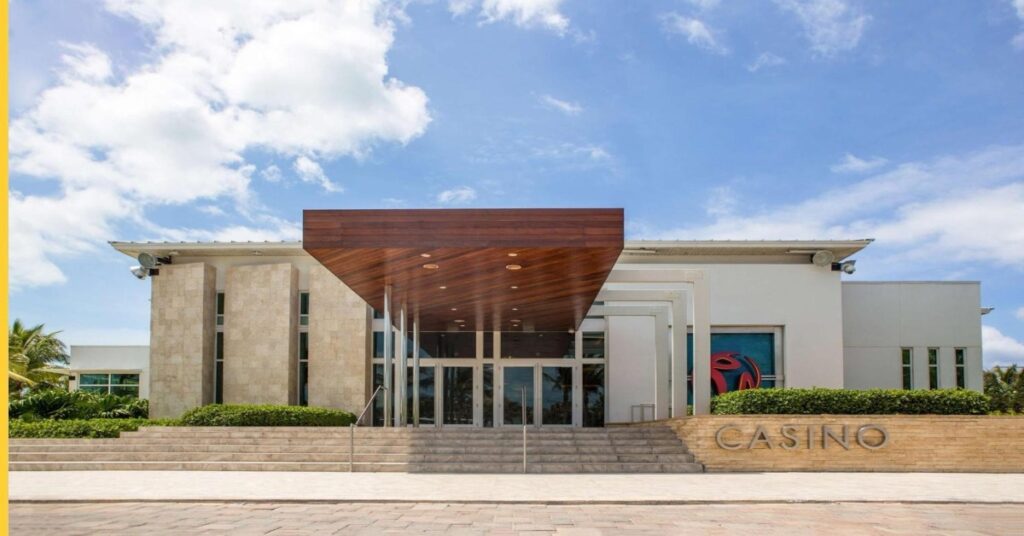
Genting Group has filed a motion to dismiss a lawsuit against it for allegedly mismanaging its Resorts World Bimini operations.
Genting Group has filed a motion in the Southern District of Florida to dismiss a lawsuit brought by RAV Bahamas Ltd, a minority shareholder in the joint venture behind the Resorts World Bimini resort.
The dispute stems from allegations of financial mismanagement and fraud surrounding the Bahamas-based casino resort, as previously reported by NEXT.io.
Genting Americas argues that the lawsuit is both procedurally flawed and substantively unviable.
RAV Bahamas, holding a 22% minority stake in the joint venture BB Entertainment (BBE), alleges that Genting Americas manipulated BBE’s financial records to include illegitimate expenses and debts. These alleged actions, according to RAV, artificially inflated BBE’s liabilities and diminished the value of RAV’s shares.
Specifically, RAV claims that debts from other Genting Group entities were inappropriately recorded on BBE’s books.
The Bimini resort, which opened in 2016, has faced continuous financial struggles. RAV attributes its losses not only to external factors, such as hurricanes and the Covid-19 pandemic, but also to alleged financial mismanagement and fraudulent activities orchestrated by Genting Americas.
Genting denies the allegations, contending that RAV’s claims are legally baseless. In its motion to dismiss, Genting asserts that the case is improperly targeted at Genting Americas instead of the appropriate parties, namely BB Investment Holdings Ltd (BBIH) and BB Entertainment Ltd, both Bahamian entities.
According to Genting, these entities are indispensable parties to the lawsuit, yet their inclusion would destroy the diversity of jurisdiction required for the case to proceed in federal court.
Genting also highlighted that the joint venture agreement which governs the relationship between the parties mandates that disputes be resolved through arbitration or litigation in Bahamian courts. By filing the suit in a US court, RAV has purportedly bypassed the agreed-upon dispute resolution mechanisms.
Legal deficiencies highlighted
The motion to dismiss outlines several procedural and substantive deficiencies in RAV’s claims:
- Indispensable Party Doctrine: Genting argues that BBIH, as the majority shareholder of BBE and the party responsible for the disputed financial actions, is a necessary and indispensable party under Rule 19 of the Federal Rules of Civil Procedure. However, BBIH cannot be joined without negating the court’s jurisdiction.
- Statute of Limitations: Genting maintains that RAV’s claims are time-barred under Florida’s statute of limitations. The complaint alleges misconduct beginning in 2014, yet the lawsuit was not filed until October 2024. Genting contends that RAV knew or should have known about the alleged misconduct well before the statutory deadline.
- Failure to State a Claim: Genting’s motion also argues that RAV’s complaint fails to meet the specificity required for fraud claims under Rule 9(b). The company asserts that RAV’s allegations lack detailed factual support and fail to demonstrate how Genting Americas engaged in or benefitted from fraudulent actions.
- Contractual Barriers: The joint venture’s governing documents include exculpatory clauses that limit liability for acts not involving gross negligence, wilful misconduct, or bad faith. Genting contends that RAV has not sufficiently alleged any actions meeting these thresholds.
Broader context
Resorts World Bimini has struggled to achieve profitability amid rising operational costs and the impact of natural disasters. RAV’s minority position in the joint venture has further complicated its ability to influence financial and operational decisions, a point emphasised by Genting in its defence.
Despite the allegations, Genting Americas asserts that BBE’s financial statements have been independently audited and remain accurate. It also disputes RAV’s claim that the resort’s liabilities exceed those of Genting Malaysia, the parent company.
If the court grants Genting’s motion to dismiss, RAV may be forced to pursue its claims in Bahamian arbitration or courts, as stipulated in the joint venture agreement. This could significantly alter the trajectory of the case, requiring RAV to reframe its arguments and potentially face jurisdictional hurdles.
The court’s decision will likely hinge on the indispensability of BBIH as a party and the enforceability of the arbitration and jurisdiction clauses within the governing agreements. A dismissal would affirm Genting’s procedural and substantive defences, while a denial could lead to prolonged litigation in the US.