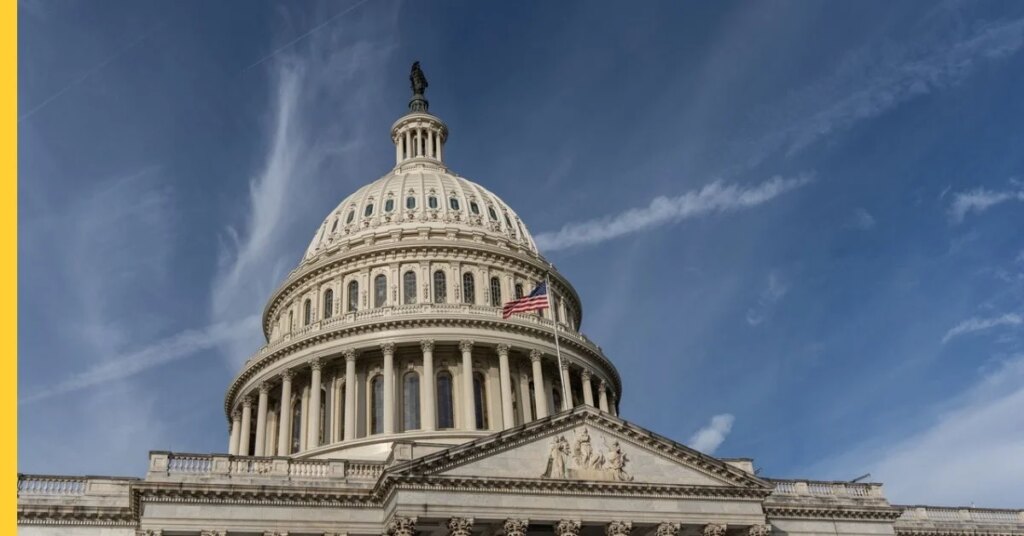
A group of lawmakers is seeking answers from major gambling companies, including prediction market operators, on how they operate.
A group of US federal lawmakers is seeking answers from major gambling and prediction market operators on issues including youth gambling, advertising practices and consumer protection.
In a letter dated 11 May, a congressional panel addressed the heads of bet365, Polymarket, BetMGM, FanDuel, Fanatics, Kalshi, Caesars, DraftKings, Robinhood and SidePrize.
Five members of the House signed the letter, and invited the operators to conduct a briefing for their respective staffs on their operations.
According to the request, the activities of sports betting platforms, casino-style games and prediction market operators reflect a broader move towards online gambling.
The letter suggests these platforms have contributed to normalising speculative gambling via mobile applications, marketing campaigns and media collaborations.
Lawmakers target prediction markets
Prediction markets received particular attention. The lawmakers cited “trade on anything” advertising and raised concerns that the financial language used by prediction platforms can blur the line between gambling and investing for younger consumers.
The legislators wrote: “A Morning Consult survey found that 77% of Americans believe that prediction market platforms could increase gambling-related harm among young adults, while 73% said that describing bets as ‘contracts,’ ‘swaps’, or ‘futures’ makes it difficult for younger consumers to recognise the associated risks.”
The letter also referenced partnerships involving prediction market companies and major media brands, including CNN, CNBC, Dow Jones and Yahoo Finance.
The lawmakers argued that traditional sportsbooks have also expanded their digital presence to compete for customers.
Bet365, DraftKings, FanDuel, BetMGM, Caesars and Fanatics were cited in connection with broader promotional activity around major sports events, including March Madness.
Ball in operators’ courts
The letter pointed to polling and research used by the lawmakers to support their concerns.
It said men aged 18 to 24 were nearly twice as likely as the general public to have used at least one prediction market, sportsbook or daily fantasy app in the past six months.
It also cited survey findings that many Americans view prediction markets as closer to gambling than investing.
The lawmakers said legal classification remains contested, with active lawsuits involving prediction markets and sports betting companies.
Still, they stated that the impact of the app on younger individuals is an entirely different question from their legal argument.
They view online gambling as a source of financial distress, addiction, and harm, especially to young males.
In their investigation, they asked whether companies had any regulatory challenges and settlements related to issues such as underage access and advertising.
Further, information on sharing data with relevant parties, such as regulators and researchers, was requested.
Moreover, the letter requested comparisons between the costs incurred in preventing problem gambling and those allocated to annual advertising.
Youth participation in focus
Several of the questions posed focus directly on younger users.
The lawmakers asked the companies to disclose the share of active users aged 18 to 20, revenue from users aged 18 to 24, average deposits, losses and session length by age group, and revenue tied to behavioural markers of problem gambling.
The letter also asks about advertising standards, promotional targeting, safeguards beyond account registration and interventions triggered by signs of compulsive use.
Its most salient demand is for companies to explain how they monitor, prevent and respond to gambling-related risks among younger users.
Written responses are expected by 29 May.